Plan. Execute. Break gravity.
Steal from a lunar station where microgravity turns every physics interactiin into a weapon.
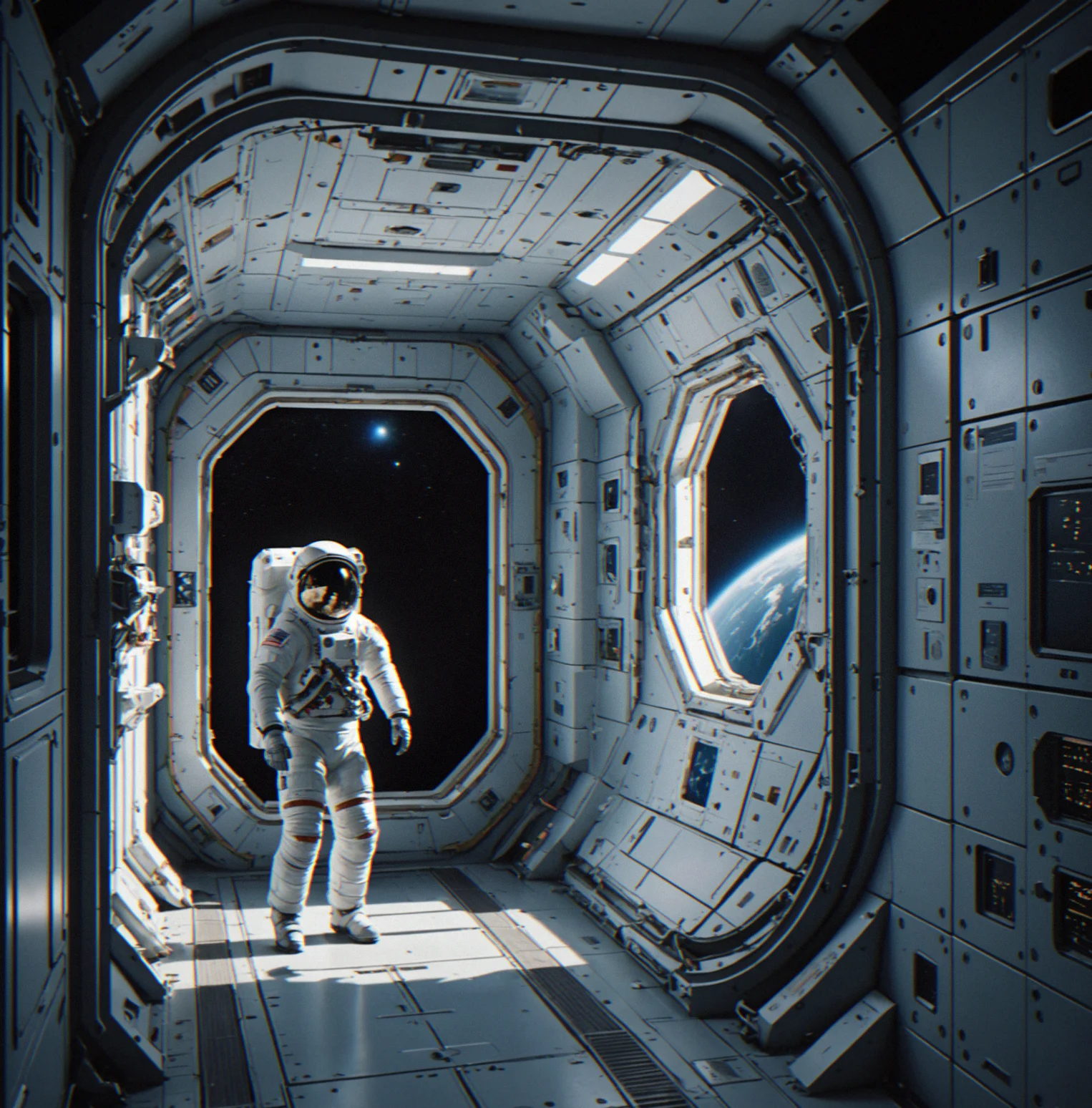
Silverorbit puts you inside Kepler Station with nothing but a job, some lockpicks and a vacuum suit. Six zones spin through the station, each one rotating in its own microgravity pocket. Bullets don't travel straight. Sightlines shift as the station rotates. An airlock failure that seems like a disaster? Could be your ticket out if you're thinking three steps ahead. You can map everything out in the planning suite beforehand, but the moment guards notice you and adapt, all that prep work becomes suggestions. Every run feels different depending on what you improvise.
Inside Kepler Station
Four zones spread across six different rotation vectors. You can move through them in more ways than you'd think. This is what actually being in there looks like.

Docking Ring. Where you come in and where you're getting out.

Hydroponics keeps the station breathing and if you're thinking creatively about routes, it's not a bad way to move around either

Command Nexus. The codes are here.

Engineering runs the power, manages the gravity locks and has environmental hazards everywhere. Hazards that become useful pretty fast if you know what you're doing
How Silverorbit Works
Six patrol routes. Three gravity vectors. One vault.

Zero-G is the engine
Microgravity isn't just there to look cool—it fundamentally changes everything. How guards move, how sound travels, how you move. A gravity lock cycle that lasts about 12 seconds becomes your timing window. Throw something and it follows a ballistic curve you can actually predict. The spinning sections create these blind spots in the sightlines that rotate every 47 seconds or so.
Plan before you breach
The planning suite is where you map out patrol routes, mark where the gravity hazards are, tag the security nodes. You mark your entry vector and sketch out where you want to extract. Then you hit play and actually watch what happens when a guard spots you three zones over. From there you either adapt or reload and try again.
Emergent problems
Cut the power to get past a lock and you trigger a cascade in hydroponics. The alarms go silent. But now you're racing against the clock—about a minute and a half before the backups come online and the whole station goes red. Some of the best heists I've seen happen when the plan falls apart and people stumble into somethign better.
Every approach is valid
Pick the vault lock. Vent through the maintenance umbilical. Steal codes from a supervisor's quarters and reprogram the security terminal with them. Set off an airlock malfunction and slip past the director's office in the chaos. The station doesn't care which path you take—just that you pull off the job and get to the dock alive.
What Makes It Work

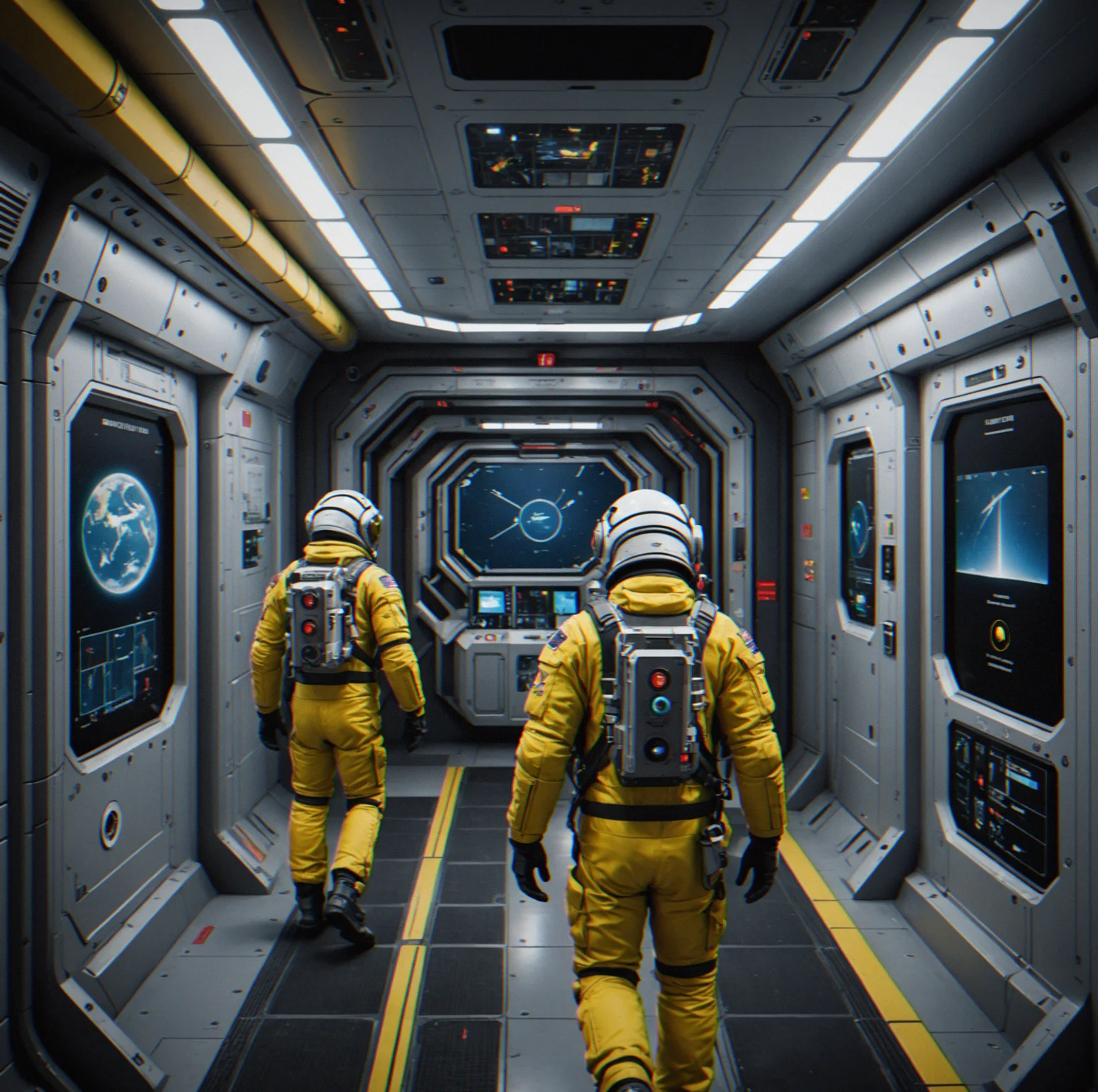
Player character in EVA suit navigating zero-gravity corridor with velocity vectors visualized as blue trajectory lines
Physics that matter
Everything in the station has mass and momentum. You can't just run past a guard—your velocity carries you forward. That sounds obvious until you're sliding through an intersection and have to time a gravity pulse to stop. Patrol routes account for microgravity. So does your escape.
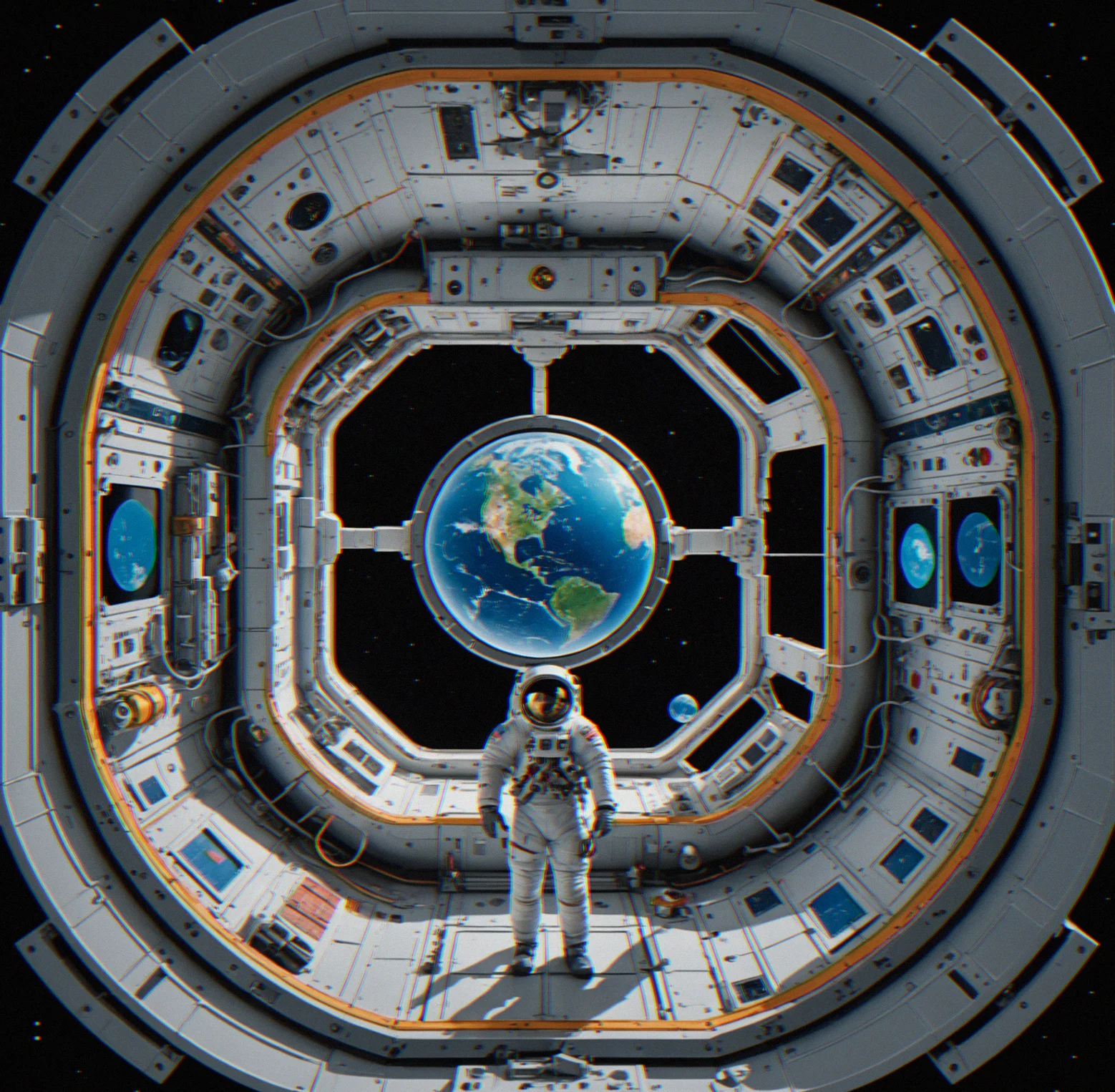
Overhead schematic of lunar station showing six zones color-coded with rotation indicators and connection points
Station layout is a puzzle
Kepler has six zones arranged in ways that aren't linear. Rotating sections create pathways that only open at certain times. A vent shaft in the Docking Ring connects to Hydroponics when the station completes its spin cycle. Know the rotation and you own the station.
Planning interface displaying station map with marked guards in red, patrol paths in yellow, and objective highlighted in blue
Planning is power
Mark where guards are. Trace their patrol routes. Tag security nodes. The planning suite shows you what's possible before you make a move. When things go sideways—and they will—you're not making it up as you go. You're adapting from a position of knowledge.
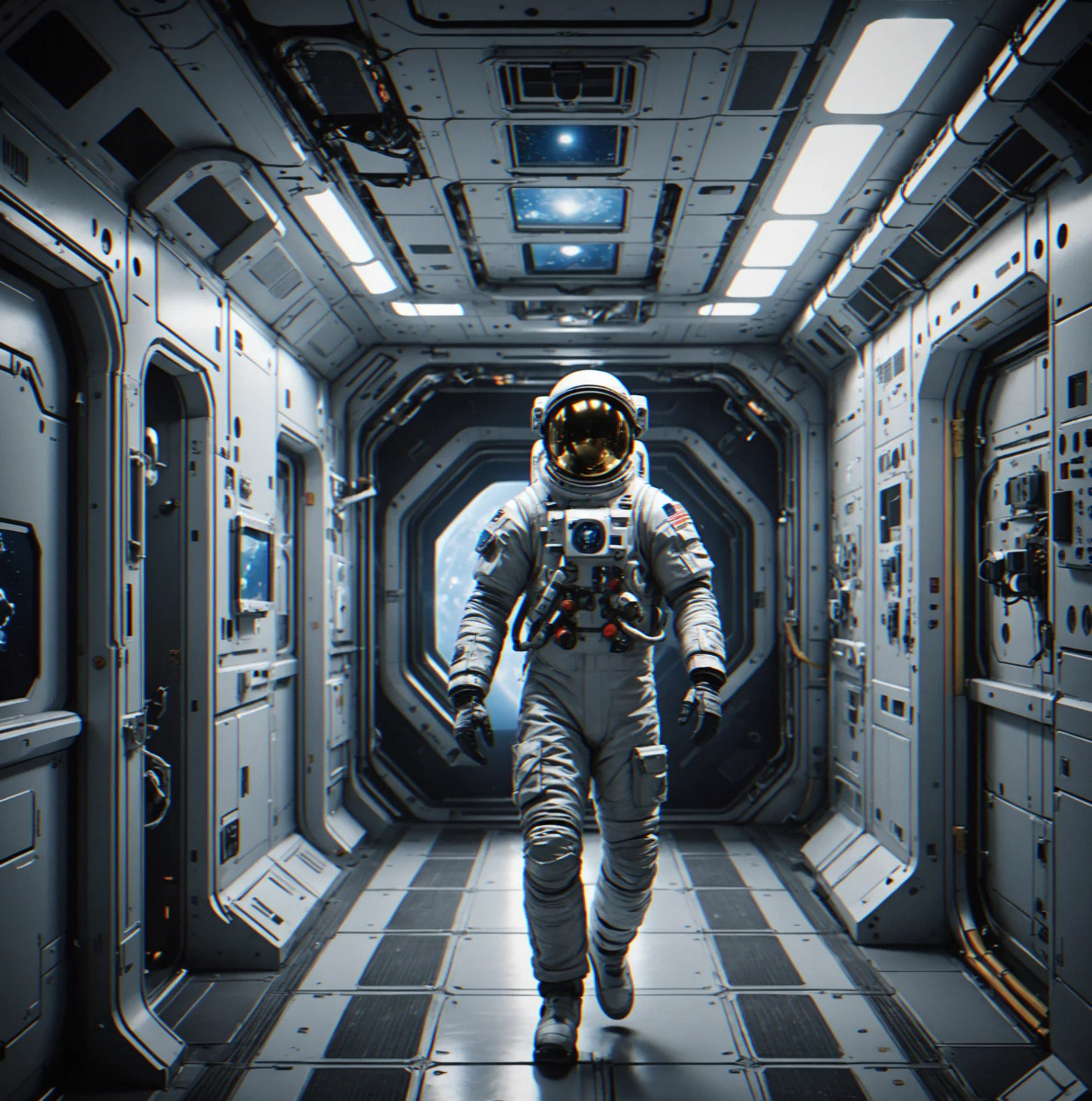
Engineering sector showing active thermal vanes rotating and atmospheric vents creating visible vapor streams
Environmental hazards become tools
Damaged conduits vent atmosphere. Gravity locks cycle in patterns. Thermal vanes rotate on a loop. These aren't just obstacles—they're mechanics you can use. Mask your movement with them. Create distractions. Trigger failures that give you the opening you need.
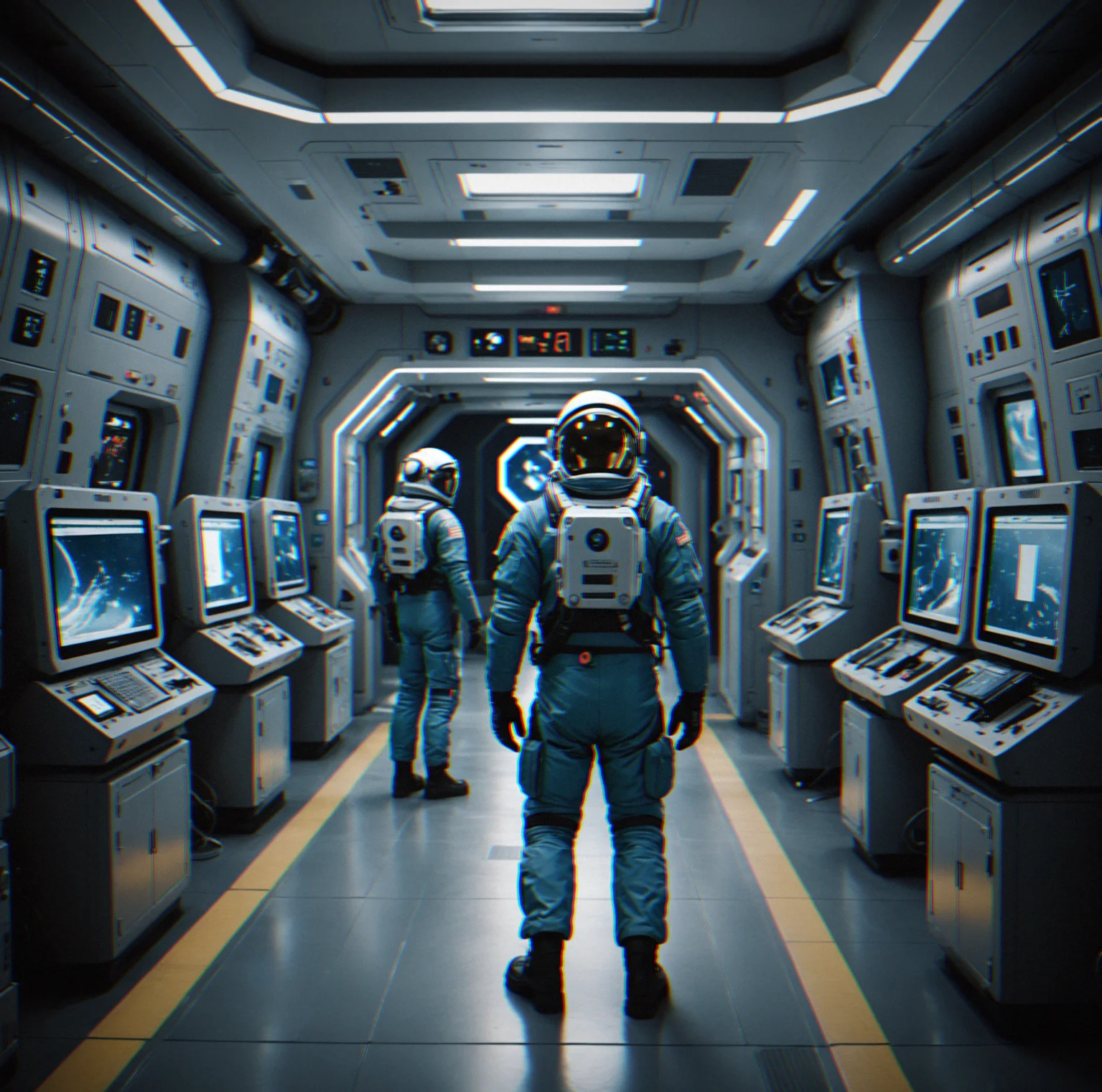
Security station interior with guards monitoring multiple displays, one turning to respond to an alert
Guards are adaptive
They notice sound and pressure changes. Missing colleagues get reported. They investigate anything unusual and call for backup. But they're also human—they get tired, they get distracted, they slip up. The best heists use that while accounting for the Ones who don't.
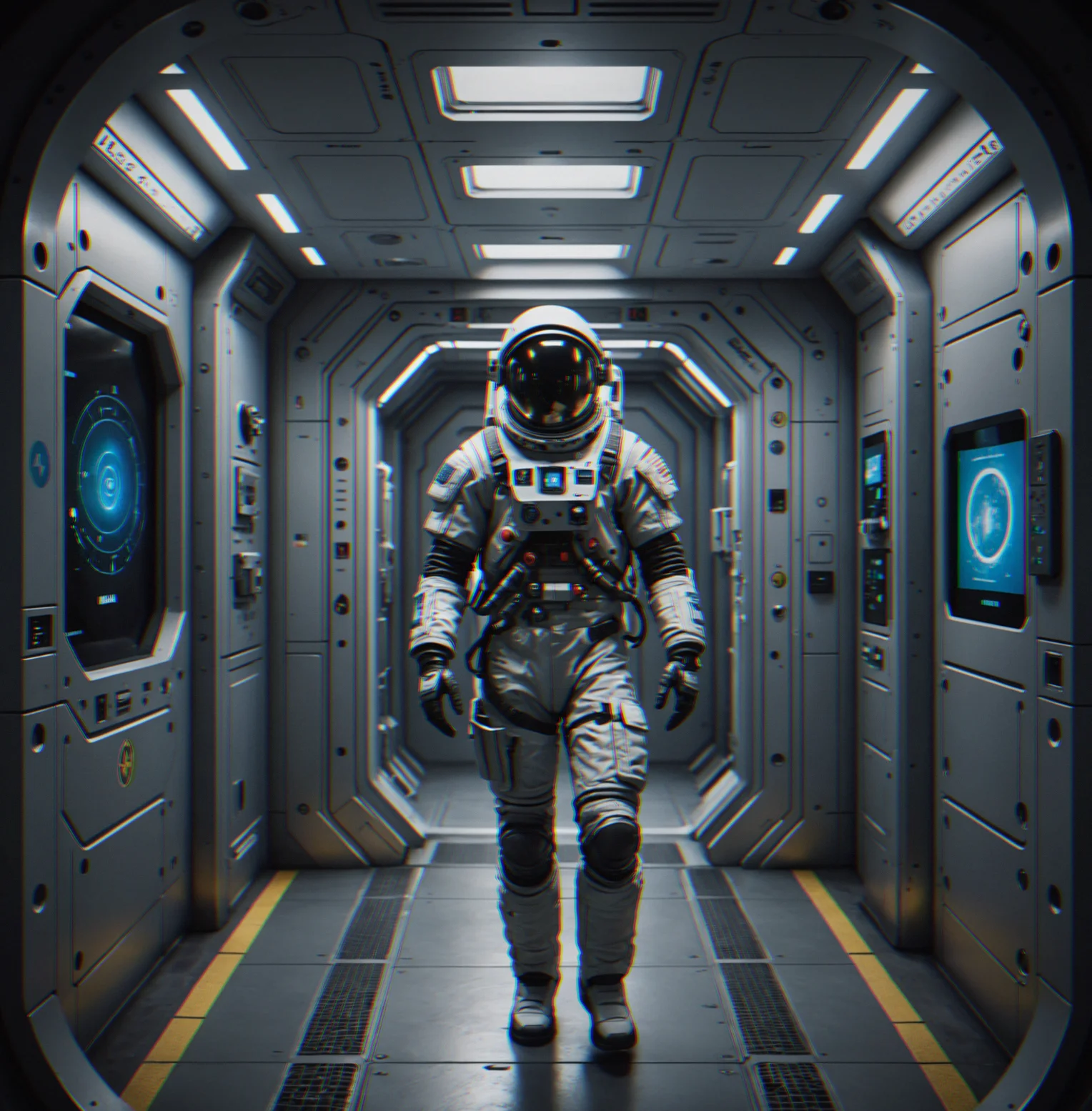
Vault entrance with multiple access methods visible: biometric scanner, keypad, security panel, and vent grating
Multiple solutions. One job.
There's no single right path. Reprogram the lock. Cut the security feed. Steal the override codes. Trigger a false alarm. The station is a system—interact with any part of it that works and you'll find your way out.
Built for how you actually play
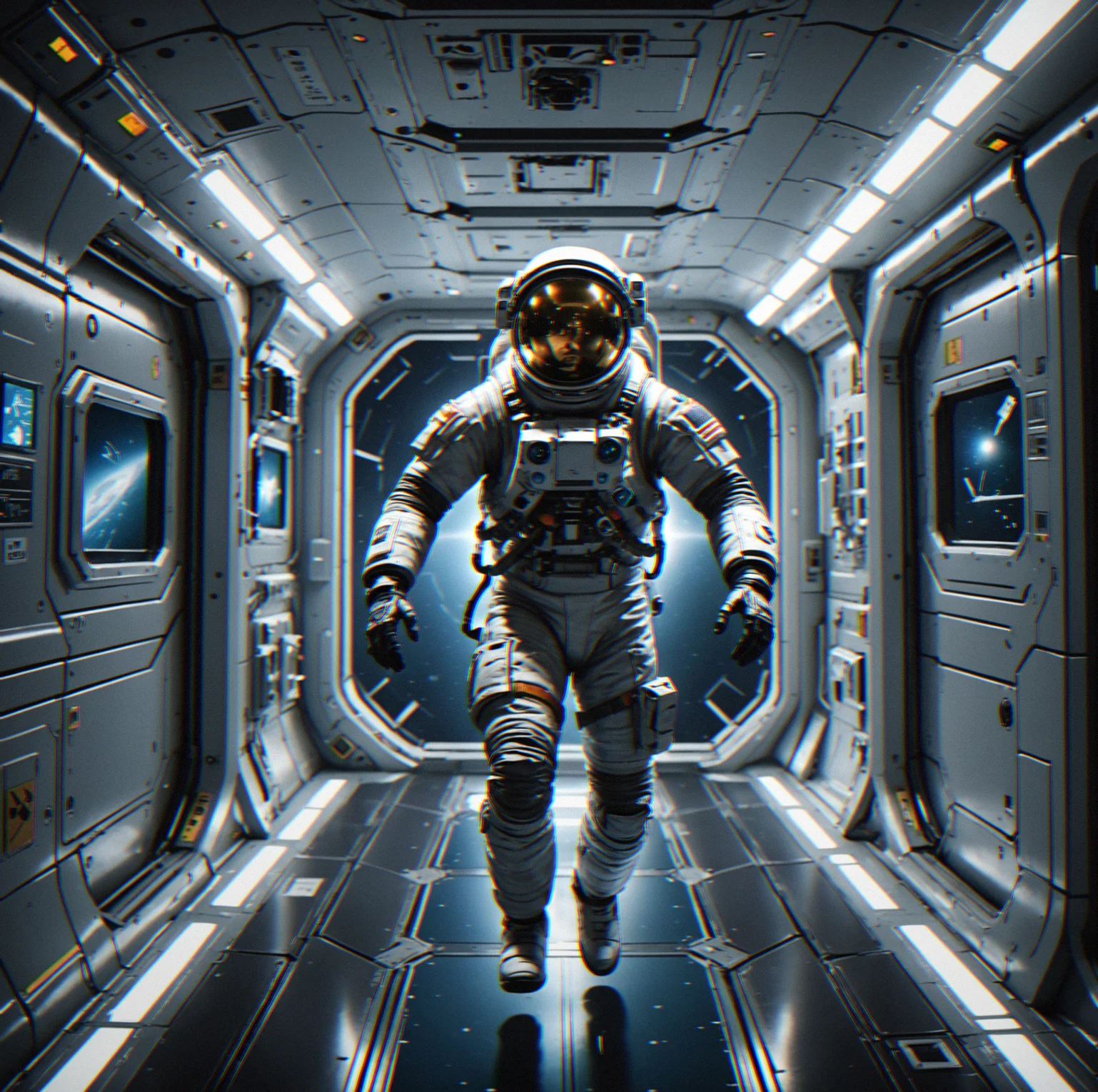
Gravity isn't just window dressing
Zero-G changes the entire game. Guards don't move the same way. Sound bounces around in ways you won't expect. Objects drift along ballistic paths you can actually predict and turn to your advantage. The station spins on a four-minute loop, so some corridors are only accessible during narrow time windows. That's not a limitation—it's something you can use.
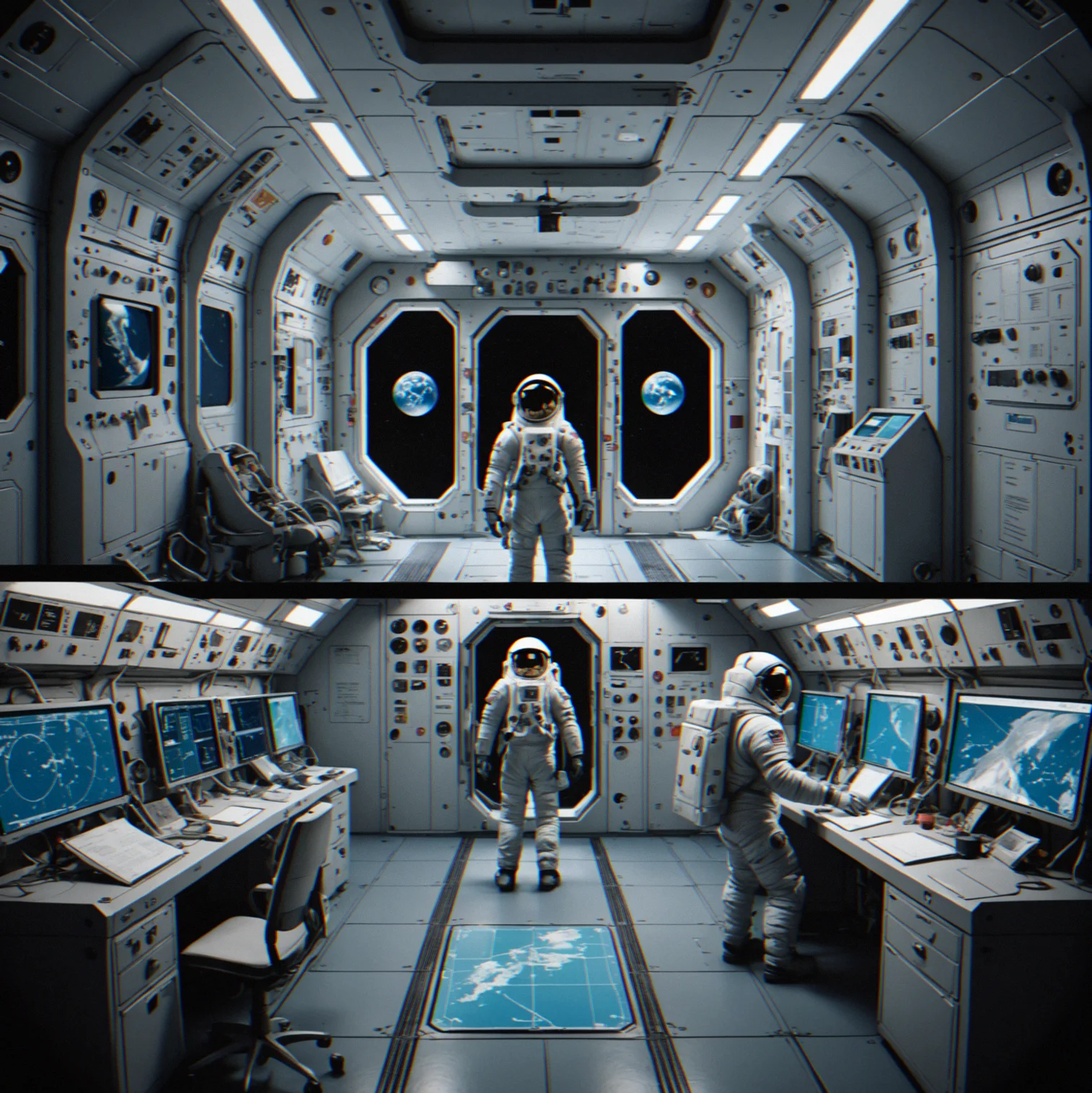
Plan every detail
You can mark guard patterns, tag security nodes, trace where the power goes. The planning tools let you see the whole picture before you move. Then the actual work starts.
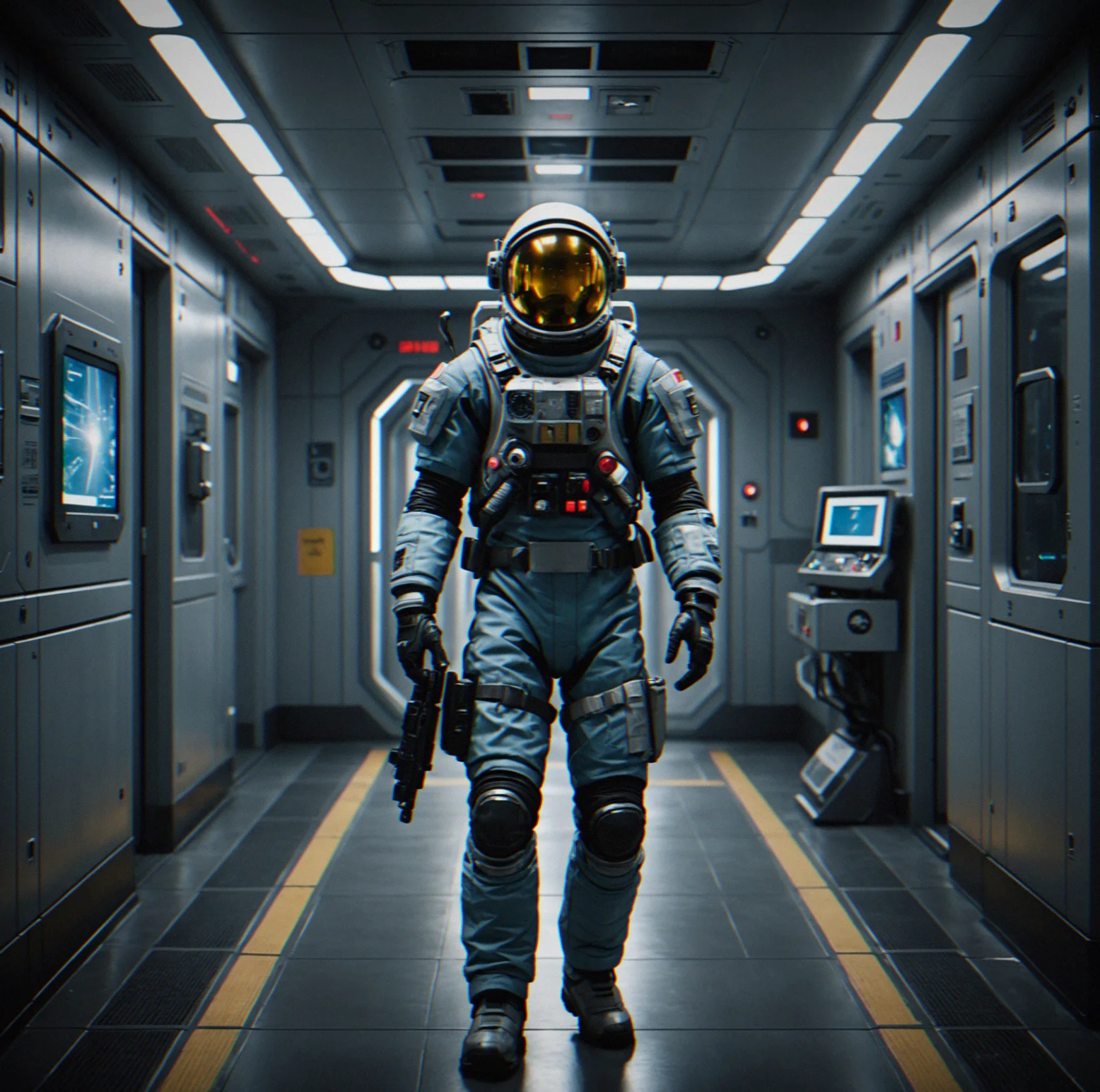
Improvise when things fall apart
A guard notices you on the other side of the station. Your exit window just closed. An alarm triggers a cascading failure in the power system. These aren't failures—they're new problems to hanlde in the moment. The good heists are the ones where you react faster than the station can adapt.
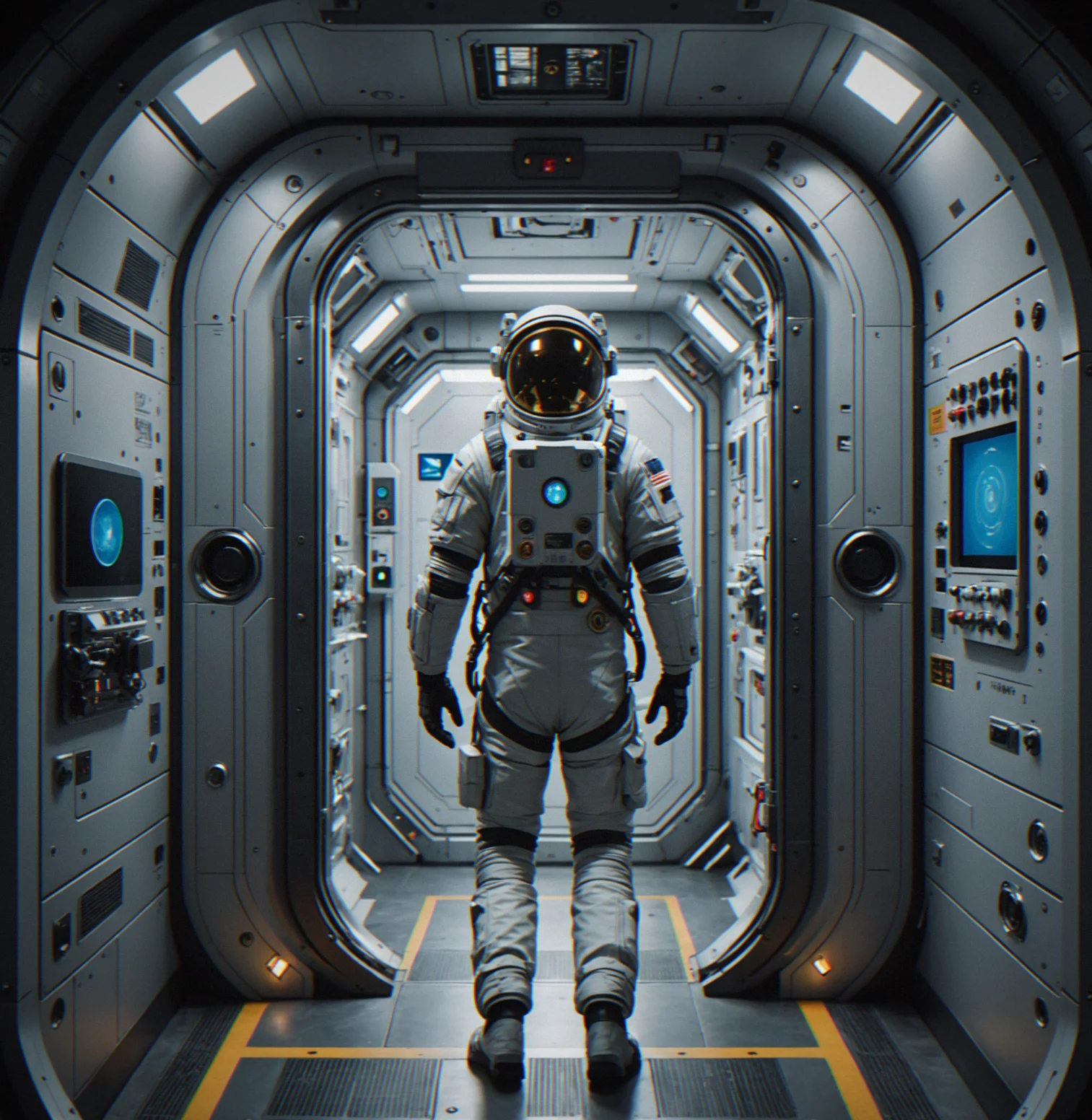
Pick your own path
Break the lock. Hack the system. Set off a fake alarm and slip through while everyone's distracted. The station works like a machine with lots of moving parts, and plenty of ways in depending on what you're good at.
Common questions
FAQ
Most of these come up before anyone even starts a heist. Some pop up after. Here's what matters.
It changes everything. Guard patrol routes shift because movement gets slower in microgravity. Sound behaves differently through the station—distance alone won't hide noise anymore. When you throw something, it follows a ballistic arc intsead of just dropping. A jump that takes 3 seconds in normal gravity? That's more like 12 seconds of floating here, which completely resets the timing windows you'd normally use to slip past guards. This isn't window dressing. It's the whole foundation of how the heist works.
It matters because you're not flying blind. You mark a patrol route and see the exact moment a guard crosses through a choke point. You tag a security node and know what breaks when you cut power to it. Then when everything inevitably falls apart—and it will—you're improvising from a place of actual information instead of just hoping for the best.
You can fail. You die. You trigger alarms that shut down your extraction window. Some runs end with you drifting through a depressurized corridor because you severed the wrong conduit. You choose when to save—there's no checkpoint system breaking everything into small pieces for you. Some players save between zones. Some only before a major decision. That's entirely up to you.
It varies a lot. If you pull off a clean run without setting off alarms, you're probably done in 15 to 20 minutes. Things get messier and you're reacting to security responses? Then you're spending between 30 and 45 minutes before you either get out or get caught. First-timers sometimes spend an hour and a half just because they're documenting everything in the planning phase and that's fine.
The station layout stays the same between runs but how you navigate it doesn't. A second attempt using different code paths, reading the guards differently, or bringing a completely new set of tools creates what's basically a different puzzle. If you loved replaying Dishonored levels with fresh approaches, you'll find that here. If you're the type who needs procedural generation or randomized layouts to stay interested, this probably isn't going to scratch that itch.